Hōkūleʻa Update–Nearing Australia | May 8, 2015

English

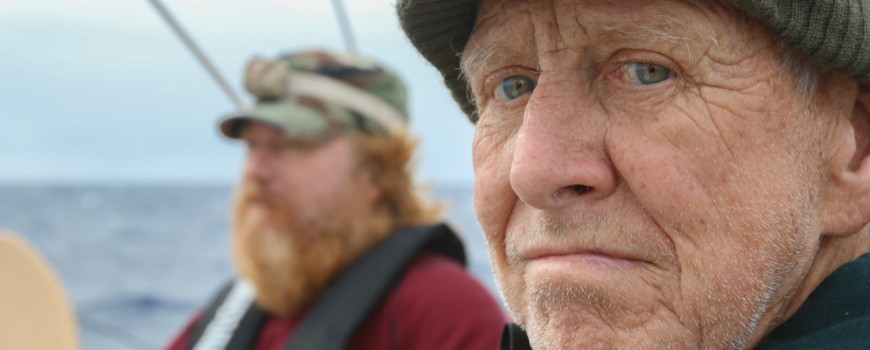
Aloha ahiahi kākou! This is Kaleo Manuiwa Wong from the deck of the waʻa kaulua (double-hulled) canoe Hōkūleʻa in the Tasman Sea. After leaving Mangonui, New Zealand and traveling eight full days and about 700 miles, we are right outside our first destination–the small island of Lord Howe. It is 310 miles away from Australia. It’s out here by itself. We had to go through some challenging weather conditions to get here, lots of overcast skies and an inability to see the sun, stars, and moon. But sighting land today is a reaffirmation that the system, skills, and naʻauao of our kupuna and ʻaumakua guiding us on this canoe to find islands like this works, and has allowed transmission from a master navigator down to people like Nainoa and Uncle Bruce.  They continue passing down knowledge and information so that we can carry on this tradition and culture of voyaging to find little islands across thousands of miles of open ocean. Everybody onboard is happy to see and feel the magic of Hōkūleʻa finding these islands, guided by our ancestors. And we look forward to a couple more days of sailing until we arrive in Australia. Thanks for following us and please continue to follow us at www.Hokulea.com, aloha!

ʻŌlelo Hawaiʻi

Aloha kākou e nā makamaka nānā mai. Eia nō kahi hoa kipa ou, ʻo ka manu ʻiwa lewa i ka moana nui ākea. Ma Hōkūleʻa nō hoʻi mākou e holo ana. I kēia kakahiaka ua ʻike i ka manu, ka pūʻulu manu he nui. Ua nui nā manu i hoʻokahi pūʻulu manu, ma kahi o hoʻokahi haneli manu. No laila he hōʻike, he hōʻailona ia ua kokoke kekahi ʻāina iā mākou. Ua kokoke mākou i kekahi ʻāina. I ka wanaʻao ʻana o ka lā i kēia kakahiaka, ka mahiki ʻana aʻe, ua nui nā manu i ʻō a i ʻaneʻi, ʻaʻole hoʻokahi pūʻulu wale nō. He mau pūʻulu manu a he mau manu e lele ana i ʻō a i ʻaneʻi. A i nānā aku ka hana, huli aku, nānā, aia lā he ʻāina, he moku ʻāina e kū nei i ka moana. ʻO ia nō ʻo Lord Howe. No laila ua ʻimi a ua loaʻa kēia wahi waʻa. Na nā kūpuna, nā ʻaumākua, a me nā akua i alakaʻi ai, i alakaʻi i kēia wahi waʻa. Pēlā nō e loaʻa ai kēia waʻa iā Lord Howe, a pēlā nō e loaʻa ʻo Lorde Howe i kēia waʻa. He wahi mahalo kēia iā lākou no ka alakaʻi mau ʻana iā mākou ma kēia wahi papahana kilo hōkū hoʻokele waʻa. E like me nā kūpuna, pēlā nō e holo aku ai lākou mai iā Kahiki aku a i Hawaiʻi a i ʻō a i ʻaneʻi o ka moana nui ākea. A pēlā nō e holo mau ana mākou, ma o ka alakaʻi, ka nānā ʻana mai i nā kūpuna i ke ʻano o ka holo ʻana. A ua hōʻoia, ua hōʻike mai i ko lākou nani, akamai, naʻauao nō hoʻi, i ka loaʻa nō o kēia wahi ʻāina liʻiliʻi ma ka moana nui ākea. He wahi mea liʻiliʻi wale nō. Nui ka mile mai iā Aotearoa mai a i kēia ʻāina ʻo Lord Howe. He wahi mahalo kēia iā lākou a he lā hauʻoli, he lā pōmaikaʻi ka ʻike ʻia o kēia wahi ʻāina ʻo Lord Howe. Aia ia ma hope oʻu i kēia manawa, ʻaʻole paha hiki ke ʻike ʻia. Hilinaʻi mai, aia ia ma ʻō ala. Eia nō mākou ke noke nei i ka holo ʻana i Nūhōlani, i ʻAukekulelia a e pae aku i laila i ʻelua, ʻekolu paha lā. ʻO ia, ʻo ia wale nō ka hopena o kēia wahi huakaʻi i ʻAukekulelia. Mahalo no ka hāhai mau ʻana mai iā mākou, a he wahi leo aloha iā ʻoukou e nā poʻe kūpaʻa i ke aloha ʻāina. Eia nō mākou ka poʻe kūpaʻa i ke aloha kai, a me ka mākia o ka mālama honua. A he wahi leo aloha kēia i ka ipo nohea o ka pō laʻi o Konahuanui, i ka ua kapuaʻi o kānaka o palawai nō hoʻi. Aloha nui iā ʻoe. Aloha.


Please help keep us sailing for future generations. All contributions make a difference for our voyage. Mahalo nui loa!
Hōkūleʻa Update | May 7, 2015

English

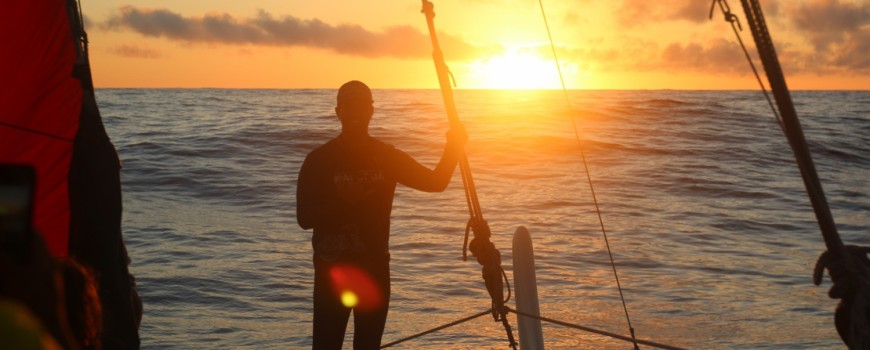
Aloha kakahiaka kākou, eia nō ʻo Kaleo Manuiwa on Hōkūleʻa going through the Tasman sea from Aotearoa to Nūhōlani, Australia. It was a beautiful day yesterday, I think I ended my last report  by saying the wind died. We were kind of just floating. That continued for the rest of the day and the winds came around to the West and we were getting “headed.” We didnt make progress through the night. As the night fell and as the sun was going down it was probably the most beautiful sunset that weve seen all trip. Beautiful stars all night, when throughout the trip there had been lots of nights of no stars when you cannot even see the moon. Last night was the opposite. It was just beautiful stars, all the North and South pointers clearly showing us the direction that were headed in, which is straight West for the most part. Here we are, today as the sun came up; it is a beautiful day again. There were not many clouds, just the sun. It was a good day for us to dry all our gear out, dry ourselves out, dry out the canoe, get ready for the rest of the trip. We are expecting perhaps some rough weather a few more days ahead of us. Were just battening everything down, preparing ourselves, getting our gear dry. Everybody is in good spirits, good health, and working well as a ʻohana waʻa. Stay tuned for more updates, coming back to you guys again tomorrow. Continue to follow us on the tracking map on www.hokulea.com. A special shout out to all the people who are steadfast in their aloha for the ʻāina, for the oceans, and for mālama honua. Mahalo, a hui hou.

ʻŌlelo Hawaiʻi

Aloha kakahiaka kākou, eia nō kahi hoa kipa ou, ʻo kahi hoa hoʻokele, kahi hoa holo waʻa ma Hōkūleʻa nei, me ka hoʻolaha o kēia lā, ka holo ʻana o ka waʻa i nehinei, a me ka holo mau ʻana o kēia waʻa i pae pono i Nūhōlani, ʻAukelekulia. I nehinei, e like me kaʻu ma mua, ua ʻano mao ka makani, ua hala ka makani. Ua nele mākou i ka makani ʻole. He wahi lana wale nō kēia waʻa, e holo ana ma kahi o ʻekahi mile paha, hoʻokahi mile, ʻelua mile ka wikiwiki o ka holo ʻana. Ke nāpoʻo ka lā, ua keu nō a ka maikaʻi ka nānā ʻana i nā hōkū. ʻAʻohe ao o ka lewa a ʻo ka hōkū wale nō e ʻimoʻimo mai ana iā mākou. ʻO ia nō ka nani lua ʻole o kēia holo ʻana ma kēia wahi huakaʻi Nūhōlani. ʻO nā pō ma mua he wahi puni i ke ao wale nō. Hiki wale nō ke ʻike ʻia he mau ʻelua paha ʻano huihuina hōkū, a ʻo ia wale iho nō. Eia naʻe, i ka pō nei, ʻaʻohe ao a nani wale nō, nui nā hōkū e hōʻike mai ana i ko lākou nani. I ka mahiki aʻe o ka lā ma ka hikina, mau ana nō ka liʻiliʻi o ka makani i kēia lā.ʻAʻohe nui ke ao, ʻano wela kēia lā. Eia nō ke noke aku i Nūhōlani me ka mālie. He maikaʻi kēia holo ʻana me ka mālie. Hiki nō ke hoʻomaloʻo i ka ʻili, hoʻomaloʻo i ka waʻa, hoʻomaloʻo lole, a pēlā wale aku. No laila mahalo no ka hāhai ʻana mai iā mākou a he wahi leo aloha, leo mahalo kēia iā ʻoukou e nā poʻe aloha ʻāina, kūpaʻa, a me ka poʻe kūpaʻa i ke aloha i ke kai, i ka mālama honua kekahi. A he wahi leo aloha iā ʻoe e ka wahine o ka maka lepo, iā ʻoe nō ke aloha nui, aloha.


Please help keep us sailing for future generations. All contributions make a difference for our voyage. Mahalo nui loa!
Hōkūleʻa Update | May 6, 2015

English

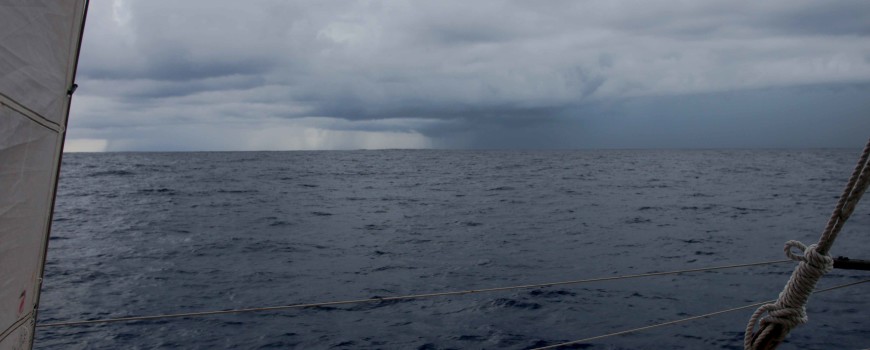
Aloha kākou! This is Kaleo Manuiwa Wong coming to you from the waʻa Hōkūleʻa in the Tasman Sea. Sorry about yesterday, we weren’t able to visit you guys. We were busy with our work here on the waʻa where we had big seas and strong winds. We estimated about 20-25 foot seas, 30+ feet at times. Wind speed was about 30-35, and sometimes up to 40 mile per hours. That caused us to hunker down and do what we needed to do on the waʻa to keep us and the waʻa safe. Of course, we are always safe out here with our trusted captain, Uncle Bruce Blankenfeld. The best of the best telling us what to do. And we also wanted to send a shoutout to Eddie Aikau and his ʻohana. Unfortunately, we were not able to do it on his birthday, which was on May 4th. He continues to sail with us and be with the waʻa by giving us the gift of a large ahi that we are able to feed our ʻohana waʻa here, our family on board Hōkūleʻa. It was dinner, breakfast, and lunch the next day. We also gave some to the escort boat, Gershon. So just a leo aloha and leo mahalo and hauʻoli lā hānau to Eddie Aikau and his family.

As I was mentioning earlier, we had big seas, strong winds, and heavy rains at times. As you can see today, itʻs a different story where we are stuck in variable winds and drifting around in circles with all of our sails luffing. We estimate that it will be another 3-4 days before we get to Australia. However, if we get stuck in weather like this, it may delay our arrival. But we are all in good spirits, feeling good, all healthy and working together as one big family. And we will continue on to Australia and get back to you tomorrow. Aloha!

ʻŌlelo Hawaiʻi

Aloha mai kākou, eia nō ko ʻoukou hoa holo waʻa ʻo Kaleo Manuiwa kēia. E hui kala mai, ʻaʻole i kipa aku iā ʻoukou i nehi nei. Ua paʻa nō mākou i ka hana waʻa ʻoiai i nehi nei ua nui ʻino nā ʻale o ka moana. Ma kahi o 30 kapuaʻi, kekahi manawa 30 a ʻoi kapuaʻi ka nui o ka ʻale. ʻO ka ikaika o ka makani, ma kahi o 35-40, ma kahi o laila, no laila ua paʻa nō mākou i ka hana waʻa. Ma mua o ka hoʻolaha ʻana i kā mākou hana i hana ai ma kēia waʻa nei ua makemake e hāʻawi aku i kahi leo aloha, he leo mahalo nō hoʻi iā Eddie Aikau a me kona ʻohana. ʻOiai ʻo kona lā hānau ma ka lā 4 o Mei, a eia nō mākou e holo nei ma ka moana nui ākea ma Hōkūleʻa nō hoʻi. Makemake e hāʻawi aloha iā ia a me ka hōʻike aku i ka lehulehu i kona holo pū mau ʻana me mākou me ka waʻa nō hoʻi. Ua ʻike ʻia nō kahi hōʻailona ma o ka lou ʻia ʻana o kahi ahi nunui i hānai iā mākou a hānai i kahi moku kamahele, ʻo Gershon. ʻO kekahi manaʻo o kona inoa ʻo ʻAikau, ʻo ia ke kau ʻana o ka ʻai. Ua kau nō ka ʻai ma kēia waʻa nei, a ua hānai, ua māʻona a ua hāʻawi mahalo iā ia. Hauʻoli lā hānau iā ʻoe e Eddie Aikau. No ka holo ʻana o ka waʻa, e like me kaʻu ma mua, ua nui ʻino nā ʻale o ka moana a me ka ikaika o ka makani. Eia naʻe, mau nō ke holo nei e like me ka mea maʻamau ʻoiai he wahi kāpena keu nō a ka maikaʻi ko mākou ʻo Bruce Blankenfeld. Me kona alakaʻi ʻana i kēia waʻa nei, ua lilo i mea ʻole, i mea maʻamau. I kēia lā, ke nānā aku i ka hana, ke nānā aku, ʻaʻohe ʻale o ka moana, ʻaʻohe makani, hiki ke ʻike ʻia ka hoʻoneʻi ʻia ʻana o nā peʻa ma hope oʻu. A ʻo ia, ʻo ia nō ka holo ʻana o mākou. Ke noʻonoʻo nei mākou, ʻehā lā paha i koe a pae pono i Nūhōlani, ʻAukelekulia. Mahalo no ka hāhai mau ʻana iā mākou, no ke kūpaʻa i ke aloha i ka ʻāina, kūpaʻa i ke aloha o ke kai, kūpaʻa nō hoʻi i ka mālama i ka honua. Aloha.


Please help keep us sailing for future generations. All contributions make a difference for our voyage. Mahalo nui loa!
Hikianalia Update | May 4, 2015

The Polynesian voyaging canoe Hikianalia is on a 2,400 mile journey from Aotearoa to Hawaiʻi. Crewmembers will be sending frequent updates so that educators and students can track her progress in conjunction with the Worldwide Voyage Tracking Map


Time: Sunset, Mahealani moon
Course: Weʻve tacked several times in the last 24 hours in order to keep inching our way towards Tahiti, trying as best we can to head in an overall north easterly direction with the limited and variable winds that we have.
Wind: Variable, less than 10 knots and changing around the compass like hands on a clock
Speed: 1-3 knots
Weather: Cloudy, squally, occasional lightning downwind or behind us. But at least the air and water are warm. Now weʻre always looking forward to squalls because it’s our only source of powerful wind and it’s another opportunity for a fresh water rinse, which feels so nice.
Sea State: small seas, pretty calm, swells coming at us from weird angles
Marine Life: We started the morning with a pair of koʻaʻe ʻula that came out to greet the canoe and flew purposefully from a north easterly direction. I was kind of hoping they would fish and then promptly return in the direction they had come from to show us exactly where land is. This afternoon Timi almost landed an ono, the first fish weʻve hooked up in I canʻt remember how long. But unfortunately it got loose just as it got to the side of the canoe.

The weather and the winds have been challenging as of late. The many squalls yesterday and last night meant we got a lot of practice with raising and lowering our larger head sails. The changing wind angles and low wind speeds have really made making forward progress towards Tahiti pretty difficult and weʻre just doing whatever we can to close that gap.

IMG_4599


Please help keep us sailing for future generations. All contributions make a difference for our voyage. Mahalo nui loa!
Hikianalia Science Update | May 4, 2015

The Polynesian voyaging canoe Hikianalia is on a 2,400 mile return journey from Aotearoa to Hawaii. Crewmembers will be sending frequent updates so that educators and students can track her progress in conjunction with the Worldwide Voyage Tracking Map


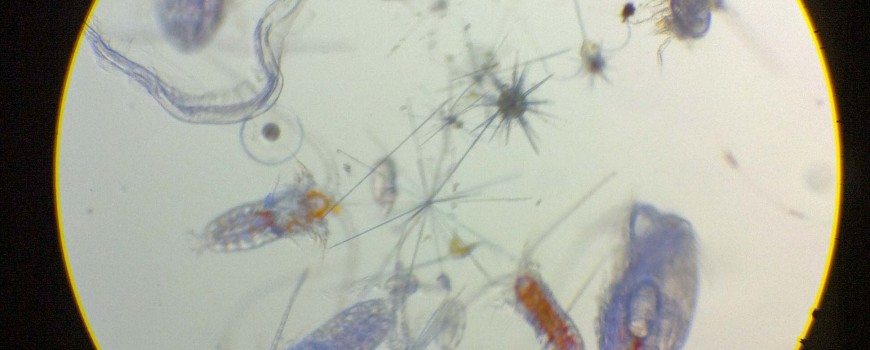
We can tell that we are now getting close to Tahiti and tropical islands by the warm water temperature (28° Celsius / 82° Fahrenheit) and a house fly that visited us two days ago on deck. We had a few rough days with some strong to variable winds and lots of squalls. Before that we had a few days of light winds where at times we sailed at slow enough speeds (less than 2 knots) to tow the plankton net twice for about 20 minutes each. Since we left Aotearoa (New Zealand) the water has lost its green color and become dark blue suggesting less primary production by phytoplankton. The lower production is also confirmed by the lower oxygen concentrations we have been measuring and is reflected in lower phytoplankton abundance and diversity in our plankton tow.  

In general we can see that most are transparent with minimal pigments and many long spines and appendages. Even though most zooplankton are consumers of phytoplankton or other zooplankton, they are still low in the marine food chain and easily become prey for bigger animals. The lack of pigments and transparent appearance helps zooplankton to be less visible to predators.  The other challenge zooplankton has is to stay close to the own prey, mostly phytoplankton, which stays relatively close to the surface of the water column as it needs sunlight to grow via photosynthesis. Plankton, generally defined as organisms, not able to swim against currents (plankton is derived from a Greek word that means drifting), are not good swimmers and therefore need other means of buoyancy to stay close to their food source. One option to increase buoyancy is to have lots of spines or appendages, another one is to have enclosed oil droplets – sometimes lightly yellow or orange in color.

Fish embryos or even hatched fish larvae are very hard to identify as they often look nothing like their adult form. Most of them however have white muscle tissue and often black pigment spots like the one in the picture below. Maybe one of our readers can tell us what this fish might be?


Please help keep us sailing for future generations. All contributions make a difference for our voyage. Mahalo nui loa!

Hōkūleʻa Update | May 4, 2015

English

Aloha kākou, here we are broadcasting from Hōkūleʻa again as we travel across Aotearoa to Australia. You can see behind us there are big wind, big swells, and rain today. We are estimating about 15- to 20-foot seas. We had some 30-foot rollers every once in a while. No sun, there are so many clouds we can’t see the sun. We’re just navigating our canoe by the direction of the swells and the wind. Unfortunately this rain isn’t helping out much either, but uē ka lani ola ka honua. It was the same way last night too: strong wind, big seas, rain off and on, couldn’t see any stars or planets or the moon. We couldn’t see the moon shining through the clouds. This is the same way we navigated all day today, all night last night, the day before, and it will probably be the same tomorrow. Today we were visited by a pilot whale. Today we just got this big ahi, big yellowfin right here. It’s too much for us to eat by ourselves, so we will cut it up and we’ll take some. The rest we will send over to Gershon for the escort boat crew for them to have some meaʻai too. Mahalo for following us and we’ll back to you again tomorrow. Aloha.

ʻŌlelo Hawaiʻi

Aloha kākou, eia nō au ma Hōkūleʻa a like me ka mea maʻamau ke kamaʻilio nei me ʻoukou iā mākou ma ka waʻa e holo ana mai iā Aotearoa i ʻAukelekulia. Hiki ke ʻike ʻia ka nui o ka makani a mea ke ʻale o kēia lā. Ma kahi o 10 kapuaʻi a i 25 paha kapuaʻi ka nui o ka ʻale o ka moana o kēia lā. Heleleʻi mau nō ka ua kekahi, pēia pu i ka pō nei. Nui ka makani, nui ka ua, nui ke ʻale, ʻaʻole hiki ke ʻike ʻia nā hōkū o ka lewa a me ka hōkū ʻaeʻa. ʻO ka ʻale o ka moana me nā makani, mau nō lāua ke holo pū nei me mākou, he wahi hoa waʻa lāua nō mākou ma kēia waʻa. Pēlā nō e hōʻea aku ai i Nūhōlani, ʻAukelekulia. I nehinei ua ʻike ʻia kekahi koholā, he ʻano Pailaka ke ʻano o ke koholā. I kēia lā akahi nō a lou ʻia kahi iʻa nui, ʻo ke ahi. He iʻa nui nō ia. E hapalua ʻia ana na mākou ke kahi, na ka escort boat ʻo Gershon ke kahi. Mahalo no ka hahai mau ʻana iā mākou ma ka waʻa. He wahi leo aloha kēīa iā ʻoukou e ka poʻe kūpaʻa i ke aloha o ka ʻāina. Ka poʻe kūpaʻa i ke kai, ka poʻe kūpaʻa i ke aloha no ka honua. Aloha aku iā ʻoe e kahi uʻi o ka uka ʻo Maunawili. Aloha.


Please help keep us sailing for future generations. All contributions make a difference for our voyage. Mahalo nui loa!
Hōkūleʻa Update | May 3, 2015

Aloha kākou eia nō ʻo Kaleo Manuiwa Wong ma Hōkūleʻa i Tetaiorehua, the Tasman Sea going from Aotearoa to Australia. You can see today is pretty rainy. We have some winds that are a little swirly, but all coming out of the East. We’re using the winds and swells to guide us until we arrive safely to our destination in Australia. Last night was the same way, similar weather: full of clouds with pockets of some stars shinning out. Interestingly, among the stars that were coming out was Hōkūleʻa. We are using the star Hōkūleʻa to guide the waʻa Hōkūleʻa to get to our destination. We’re also using some Southern stars: Newe, Kamailemua, and Kamailehope. When those stars came out they served as confirmation that we are heading in the right direction just going off of the wind and the swells. Based off of our calculations, we’re now around the latitude of 30 degrees South. So it’s a lot warmer now than it was a few days ago in Aotearoa. I just have a thin shirt under this jacket and surf shorts under my pants, whereas before I was wearing plenty layers of clothes. It’s a nice day. It’s a little wet, but it’s good weather for us. We’re traveling along nice winds, calm seas, with Gershon behind us. Right now we’re traveling with just a jib and our main sail open. We’re traveling about 7 knots, currently we’re going about 5. I can’t go much faster otherwise our escort boat, Gershon, in the back of us can’t keep up. It’s a little bit of a limiting factor on us for our speed and distance of travel, but it’s all good. We’re traveling at a nice safe speed. You can see how warm it is, this guy doesn’t even need foul weather gear. That’s our morning update for today, our third full day at sea. stay tuned for more updates. Mahalo for following us at hokulea.com. Aloha.

Aloha kakahiaka kākou. Eia nō ʻo Kaleo Manuiwa Wong ke holo nei ma Hōkūleʻa. Ke noke nei mākou i ka holo i Kekaiolehua ʻo ia hoʻi ka Tasman, mai iā Aotearoa i ʻAukelekulia. Hiki ke ʻike ʻia ka nui o ka makani i kēia lā a me ka heleleʻi mai o ka ua ma ʻō aku. Pēlā nō i kēia lā a pēlā nō i ka pō nei nō hoʻi. Eia naʻe i ka pō nei ua hiki ke ʻike ʻia nā hōkū, kekahi o nā hōkū. ʻO ia hoʻi, ʻo ka mahina ka mahina ʻo Hōkū a pēlā pū ka hōkū ʻo Hōkūleʻa ma ia hōkū nō e alakaʻi ai i kēia waʻa, a pēlā pu ʻo Kamailemua me Kamailehope ma ka hema. Nānā nui ʻia kēlā mau hōkū i ka pō nei. Eia naʻe i kēia manawa ʻo ke ʻale wale nō o ka moana a me ka pā mai a ka makani, pēlā nō e holo ai ka waʻa, alakaʻi ai ka waʻa a pae pono i Nūhōlani, i ʻAukelekulia. He wahi leo aloha, leo mahalo, kēia iā ʻoukou e nā kānaka kūpaʻa i ke aloha ʻāina. Kūpaʻa nō hoʻi i ke aloha o ke kai, ʻo ka mālama honua nō hoʻi. Mahalo. Aloha.


Please help keep us sailing for future generations. All contributions make a difference for our voyage. Mahalo nui loa!