Hōkūleʻa Update | Exploring St. Helena

St. Helena is a close knit community where the local populace of 4,000 knows one other and casual waves are common among passers-by .Discovered by the Portuguese in 1502, St. Helena became a Dutch settlement and then a British possession, which it remains today. It has a melting pot community very much like Hawaiʻi.The island has everything you would need to exist in harmony with nature, and every home has a beautiful ocean view. 

IMG_4269

The heart of the community is the road running up from the ocean: Main Street, Jamestown. On either side of the road are old rock buildings housing the bank, middle school, post office, hotels, police department, gift stores have stood the test of time.

IMG_4197

The land by the coast is all cinder ash rock, dry and barren. As you go up the ridge on a single lane road, knifed in to the steep ridge face, the vegetation begins to turn green. It is a steep climb into the clouds which hang on the mountain top at 2,690 feet. Up-country there are seven districts intersected by deep valleys the locals call guts. There is a variety of lush landscapes, open pasture land, farms and crops, rock formations, water falls and dense forest. We had an informative tour of the house Napoleon Bonaparte lived out his exile. 

IMG_4261

On Sunday, all of the shops and offices are closed, and no one is on the streets. For the crew, it was a day to clean-up the canoe for the next leg of the journey, the crew scrub the deck and the bottom of the canoe and checked the lashing on the sails. The local TV station interviewed Bruce and Kaleo on the pier as they shared the story of Hōkūleʻa’s Mālama Honua Worldwide Voyage. 

DCIM100GOPROGOPR6681.

On Monday, we visited the acting Governor Sean Burns at the port castle. At the time of our arrival to St. Helena, the appointed Governor was on a trip to nearby Ascension Island, which he also administers along with Tristan de Cunha Island. It was a formal introduction followed by an exchange of pleasantries. Bruce and Kaleo shared an informative discussion about the Mālama Honua Worldwide Voyage and Govenor Burns had many questions about traditional navigation and the living conditions on Hōkūleʻa. There was also a bonding discussion about the similarities and differences of the Hawaiian Islands and St Helena. 

IMG_4457

We were very excited to do a community project to mālama honua, and initially planned to clean up the cliffs along Jacobʻs Ladder. But we found the incline too steep and hazardous for land slide. Fortunately, we were able to find a few places safe enough to clean. We also met the St. Helena National Trust, a non-profit organization launched in 2002, which aims to promote awareness of and to protect and enhance St Helenaʻs environmental, built and cultural heritage. The National Trust has many conservation stewardship projects in the works to maintain and restore the endemic plants and animals, many of which are only found on this remote island. We also be adopted a wirebird, the island’s only endemic land bird, for life with a donation. 

IMG_4439

Although our time at St. Helena was brief, the connections we made with this tight-knit community will continue on for the remainder of the Mālama Honua Worldwide Voyage.

Aloha and a hui hou from the Leg 16 crew!


Help us make history

As the mainstay of support to PVS, our members are allowing us to voyage beyond the boundaries of Polynesia to inspire a global movement to care for our earth.
Bringing the Voyage Home

Nainoa Thompson, pwo navigator and President of the Polynesian Voyaging Society said, “You know there’s two giant voyages right. One is the physical movement of Hōkūleʻa around the world like a needle that pulls this thread to sew a lei of aloha to the places that we go to. And in doing so the earth becomes our school and itʻs a place that we learn to be responsible to the earth. But at the very same time thereʻs a second voyage. Itʻs a voyage that weʻre saying is about education, itʻs about looking at the world in a different way than we have in the last 200 years. Itʻs about relationships to place and to home. And in the end the longterm solution to saving the earth is teaching our children how to do that.”

A year and a half into the Worldwide Voyage, Hōkūleʻa is halfway around the globe and crew members are finding ways to engage Hawaiʻis communities with the voyage, especially our children. 

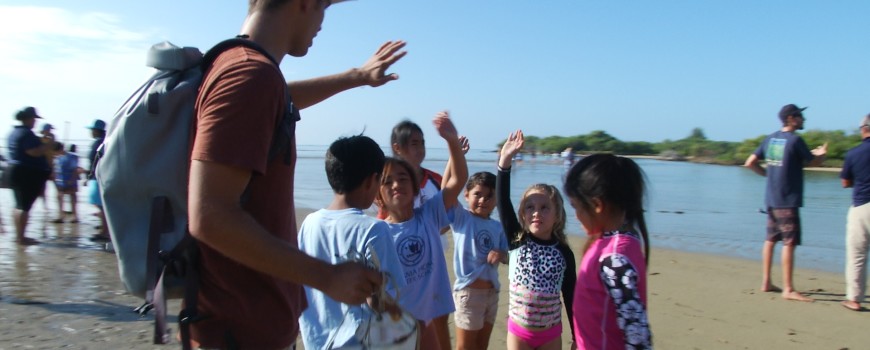
Apprentice Navigator Austin Kino brought together Worldwide Voyage crew members, supporters, and the students of the Mālama Honua Public Charter School for a day of hands on learning at Paiko Wildlife Sanctuary, Maunalua Bayʻs last remaining wetland. 

Kino explained, “In the sanctuary they’re removing invasive pickle-weed and maybe limu for the older ones, and theyʻre going to be planting native plants from the department of forestry’s nursery. The group that’s going to be walking all around is really understanding the different qualities of water we have over here and the function of wetland. And lastly we’re learning about our entire ecosystem where we have guys from the university of Hawaiʻi and Kahi Kai that are doing plankton tows with the kids on a double hulled paddling canoe to kind of get the kids to experience kind of a micro version of what we do on Hōkūleʻa. Which is, I think, very special.”

Thompson reflected, “This is a testament about the reality of taking an idea and set of values like mālama honua and acting on it. I see these childrens ankles wet, those were my ankles wet. And they are here doing the same thing I did coming to explore this oceans. These oceans have changed and so Iʻm almost coming back and seeing my childhood again through them. And in a way that today is a day that I actually see in a measurable way, that tipping point like we actually went down this very steep mountain of decline and begining to see that weʻre turning it back up. This is a day, not of decline, this is a day of renewal.”

Kino said, “Before we try and establish healthy reef systems and go after maybe commercial operators or solve politics in the community, it all starts with getting the kids here to understand why these things are important. So I think itʻs really important that they come out here, get dirty, enjoy the water, and Iʻm glad we were able to pull it off. “


Help us make history

As the mainstay of support to PVS, our members are allowing us to voyage beyond the boundaries of Polynesia to inspire a global movement to care for our earth.
Hōkūleʻa Update | January 8, 2016

English

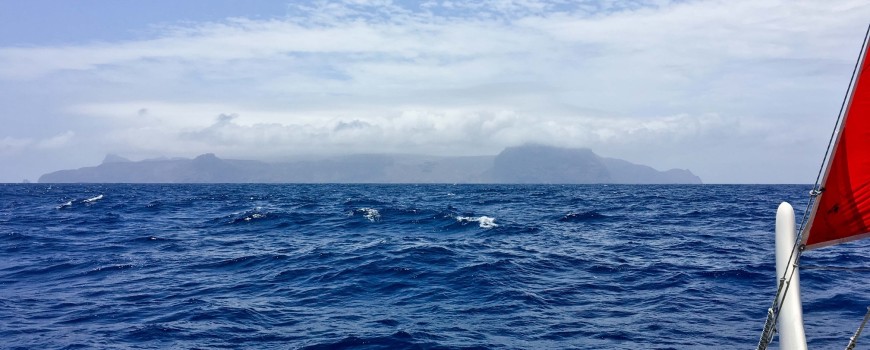
Aloha mai kākou, eia nō wau ʻo Kaleomanuiwa Wong live and direct to you from the waʻa Hōkūleʻa just outside of St. Helena. As you can see, right next to us, this tiny island in the middle of the Atlantic was reached by this waʻa. We left Cape Town, South Africa about 16 or 17 days ago, traveled about 1,900 miles to get here. Over 1,200 of those miles were open ocean, nothing to guide us but the kūpuna, ʻaumakua, and akua who are constantly guiding us both seen and unseen. It is our job as the navigators to interpret the signs that they are showing us and adjust our course to what they are telling us to do. One of the hōʻailona (signs) we have seen today when we were drifting around in these light shifting, variable winds was an orca that visited the canoe. Soon after, the winds shifted around and we were back on our way. Another one was this morning as we were jibing to get to this island. Because we are south of our line and the winds did not allow us to sail straight here, we had to turn north of our reference line. And as we were heading north through the night, the sun came up and we were deciding if this was the right time to jib and turn back towards the island. Right there, the lightning was flashing and the thunder was going off right next to the course we were headed. We decided that was the time. We turned around and jibbed straight back and set our course to this island. Right after that, the clouds cleared up and it was only blue skies left and no sign of the lightning and thunder. So just some of the hōʻailona we have seen along the way that helped us to get here all the way across from Namibia on the west coast of Africa across the Atlantic to this small island. We will sending more updates during the time we are here and as we continue on to our destination of Brazil. Mahalo for following us and continue to visit Hokulea.com. Aloha!


ʻŌlelo Hawaiʻi

Auhea ʻoe e nā hoa makamaka o kēia wahi huakaʻi kaʻapuni honua a Hōkūleʻa. Eia nō wau kekahi hoakipa o ʻoukou ʻo Kaleomanuiwa mai ke pola mai o Hōkūleʻa  ma ka moku liʻiliʻi ʻo St. Helena i kēia wahi moananui o ka Atalanakila a i kou ʻoukou home pumehana ma Hawaiʻi la a puni ka honua. Ua holo nō kēia wahi waʻa a me mākou mai Cape Town mai he ʻumikūmālua hāneli mile mai Walvis Bay mai ma Namibia a i aneʻi. ʻO ka moana wale nō o ka mea i waena o ia ʻāina a i kēia ʻāina. A eia nō mākou i pae mai nei i kēia wahi moku liʻiliʻi. Na nā kūpuna, nā ʻaumakua, a me nā akua i alakaʻi mai ai i kēia wahi e like me ka mea maʻamau. Aʻo mākou, aʻo wau hoʻi ka hoʻokele me ʻanakala Bruce. A ua mau nō ka mea i nānā, a ʻike, a maopopo i nā ʻōlelo i haʻi mai ʻana nā kūpuna mai a i kēia wahi waʻa a ka haʻi ʻana aku i ka hoa waʻa ʻe aʻe o ka holo ʻana i ia wahi waʻa. Ua pilikia a ʻano paʻakīkī ka hele ʻana mai Namibia aku a kēia wahi ʻāina, ʻoi ai ua loaʻa maila he ani la, he ʻau okoʻa, ʻaʻole i ʻike ia ma Hawaiʻi. ʻO kekahi, ua uhi a paʻa ʻia ke kapa a ka noe e mākou. ʻAʻole hiki ke ʻike ʻia iā Gershon II, he wahi hapalua mile ma hope pono o mākou. ʻAʻole hiki ke ʻike ʻia ma muli o ka uhi paʻa. ʻO kekahi lā, ʻaʻohe makani a huli ka waʻa i o i aneʻi o ka makani o ka holo ʻole o ka makani. Ua paʻakīkī ka holo ʻana i kekahi mau pō i ka huikau o ka makani i hele i o a o, paʻa mai kekahi ʻaoʻao a i kekahi ʻaoʻao a ua neʻe ka waʻa. Eia naʻe, ua mau nō ke alakaʻi ʻana mai i kēia wahi waʻa e nā kūpuna a me nā ʻaumakua. Ua ʻike ʻia i nā hōʻailona ka mea i hōʻoia e hōʻike ʻana mai iā mākou ua ʻeʻe pū lākou me mākou. ʻO kekahi mea, ua ʻike i ka orca. Ua hōʻike maila kekahi lā, hele maila kokoke loa a ʻo ia ka wā i nele mākou i ka makani ʻole. Ma hope pono o ka ʻike ʻana i kēia wahi koholā nui, ua huli ka makani, huli hoʻi ka waʻa, a noke aku ka holo i ka waʻa. ʻO kekahi manawa, ua ʻike ʻia i nā naiʻa he nui a hele a kaʻapuni i kēia wahi i nā naiʻa. I kēia kakahiaka, ua ʻike ʻia kekahi ʻōlapa ʻana o ka uila ke kuʻi ʻana no Kahekili, ʻo i ai mākou e holo i ka akau ua ʻano jib no hoʻi mākou no ka holo ʻana a pae i kēia ʻāina. Ua hikiʻole ke holo pololei. Ua jib ʻia a hele i ka akau. Hiki ma ka lā i Kahikina, ʻo ia nō ka wā e noʻonoʻo ai e huli i ka waʻa a hele pololei i kēia wahi liʻiliʻi ʻo St. Helena. A ʻo ia nō ka wā e ʻike ʻia ke kuʻi o Kahekili a me ka ʻōlapa ʻana o ka uila. Ma ia wā nō a i kēia wā, ʻo ia nō i holo pololei ʻana i kēia waʻa a pae ia ʻāina ʻo St. Helena. He wahi mahalo kēia e nā ʻaumakua, kūpuna, a me nā akua a iā ʻoukou e nā kānaka ma ka maka o Hawaiʻi a me ka holoʻokoʻa no ka hahai mau a kākoʻo mau iā mākou ma kēia wahi waʻa ʻō Hōkūleʻa ma ka huakaʻi kaʻapuni honua. E noke mau e ka nānā mai i ka hahai, ʻeʻeʻ pū ʻana mākou ma Hokulea.com. Aloha!


Help us make history

As the mainstay of support to PVS, our members are allowing us to voyage beyond the boundaries of Polynesia to inspire a global movement to care for our earth.

Hōkūleʻa Update | January 7, 2016

English

Aloha ahiahi kākou, eia nō wau ʻo Kaleomanuiwa Wong on Hōkūleʻa as we are traveling across on this Leg 16 sailing from South Africa to St. Helena. We are calculating our position to being fairly close to St. Helena, and we two nights ago we got a good sight of one of our latitude stars confirming our position along our reference course. We began seeing manu o Kū, which are birds that must return to land every night. We say some yesterday and more of them today. We are optimistic that we’ll be seeing more tomorrow morning and the island hopefully in the afternoon. Right now, we have been lucky and had a break in the weather. This entire trip was dominated by overcast skies and shifting winds and no dominant swells. But now we got clear skies, sun shining and out of the fog for a bit hopefully. And we are hopeful that tomorrow will bring us St. Helena on our waʻa. So mahalo for following us and continue to follow us on our website Hokulea.com. Aloha!


ʻŌlelo Hawaiʻi

Aloha ahiahi kākou, eia nō mākou ma kēia wahi waʻa kaulua o kākou, ʻo ia hoʻi nō ʻo Hōkūleʻa, ka waʻa kaulana loa o kēia wahi honua holoʻokoʻa. Eia nō mākou kokoke loa i ka pae ʻana aku i kahi moku liʻiliʻi ʻo St. Helena. Eia nō mākou nānā ʻana i nā hōkū o ka lewa, ua hoʻoia mai i ko mākou wahi o ka moana e like me i holo ʻana i ka mile. No laila, ke noʻonoʻo nei mākou apōpō paha e ʻike ai i ia wahi moku liʻiliʻi. A ʻo ia pū kekahi no ia mea e ka manu o Kū, ua ʻike ʻia he mau manu o Kū. I nehinei, ʻoi aku ka manu o Kū i kēia lā. No laila, apōpō paha, e nānā ʻana paha i nā manu o Kū he nui, i laila aku i St. Helena. No laila, mahalo no ka hahai mai ʻana iā mākou, a he wahi leo aloha kēia iā ʻoe e ka uʻi o Maunawili a me nā kānaka aloha ʻāina a pau ma kēia wahi honua. Mahalo. Noke aku ʻana mai iā mākou ma Hokulea.com. Aloha!


Help us make history

As the mainstay of support to PVS, our members are allowing us to voyage beyond the boundaries of Polynesia to inspire a global movement to care for our earth.
Crew Blog | Lohiao Paoa: Just the Beginning

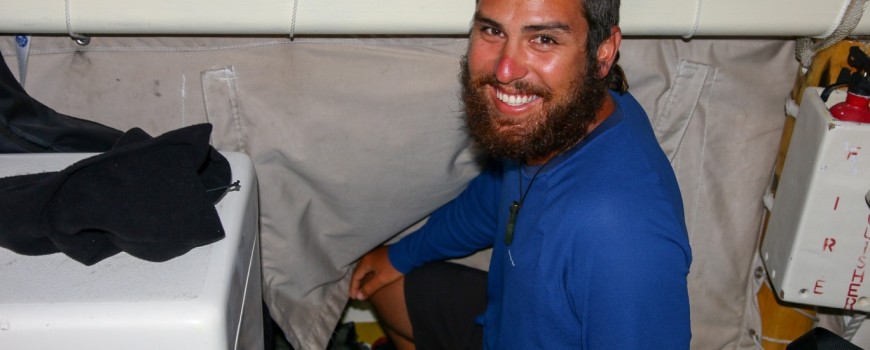
Hōkūleʻa has always been a part of my life, but voyaging has been in my genealogy long before my time. The Paoa name is found all over the Pacific, from Rapa Nui to Aotearoa (New Zealand) to the beautiful island of Molokai. Renowned as watermen, Paoas share a sacred connection with the ocean. There is a sense of relaxation and calm whenever surfing a wave, fishing, or paddling a canoe. It’s natural because of one reason: I am a Paoa.

DCIM100GOPROGOPR6514.

The year 2015 has been a roller coaster ride to say the least. From the ups of watching my nephews grow, completing the Ironman Boulder with my entire family, and finishing my first Malcolm Gladwell book, to the downs of missed voyaging opportunities, struggling job searches, and the passing of loved ones. Good and bad, it will be a year that I will never forget.

DCIM100GOPROGOPR6591.

On August 8th 2015, my father Melvin Edward Lilikalani Paoa Jr. passed away doing what he loved, while with the person he loved, and in the place he called home. Along with the thousands of other Paoas, his passion was being out at sea. Being on Hōkūleʻa was his way of living, and you could see it in his eyes.

IMG_1985

During this  leg of Mālama Honua Worldwid Voyage from Cape Town, South Africa to to Brazil, mixed emotions fill me as it has been utterly bittersweet. Standing at the Cape of Good Hope or eating acquired taste such as kudu, crocodile, and ostrich are just a couple of things my father would have loved to do. Before this voyage, I had yet to sail longer than 12 hours. So you can say I have as much sailing experience as anyone. It has been over two weeks on the water, and I can now understand why he enjoyed it so much. Hōkūleʻa brings people to life. It is a mindset. You must be strong and self-motivating.

IMG_0363

With such a great opportunity and experience ahead of me, I take on even greater responsibilities. I vow to bring gladness and knowledge to my generation and the generations to come. This is just the beginning.


Help us make history

As the mainstay of support to PVS, our members are allowing us to voyage beyond the boundaries of Polynesia to inspire a global movement to care for our earth.

Hōkūleʻa Update | January 5, 2016

Last night was cloud-filled with no moon or star to steer by. Instead, we followed the wind and quartered the swells. The 10-2 watch got hammered by malolo (flying fish). Kealoha and Kaleo got hit, and there were a dozen on the deck. Most of the mololo were thrown back to the sea, but I found five more in the morning and a squid. The morning brought a beautiful pink sunrise filled with clouds. Kimo and I said at the same time, “Red sky in the morning sailors take warning, Red sky at night sailors delight.”  We are anticipating rain and increasing wind.

IMG_1411

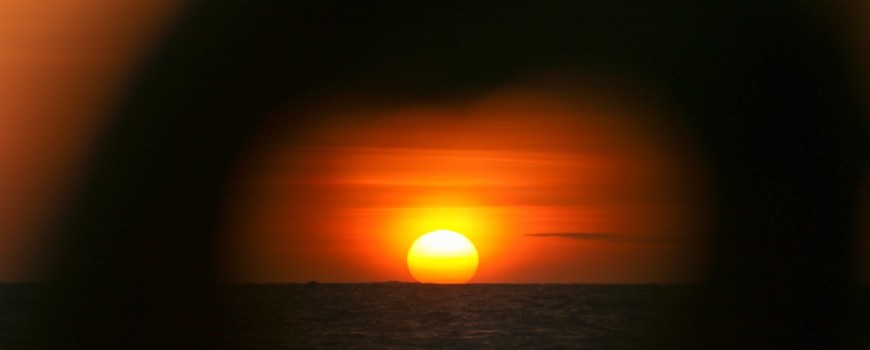
The sailing has been steady with 10-15 mph southeast winds, and we are making good time. It was one of the mellowest day sailing so far. The line we are on is easy to steer with today’s winds and the weather was perfect. Kaleo saw two whales this afternoon and the sky looks very clear for tonight. A spectacular sunset, a jack-o-latern orange ball dropping into a mercury ocean lighting up hot lava clouds on purple blue sky.


Help us make history

As the mainstay of support to PVS, our members are allowing us to voyage beyond the boundaries of Polynesia to inspire a global movement to care for our earth.

Continue Reading

Cooking Hawaiian Style on Hikianalia

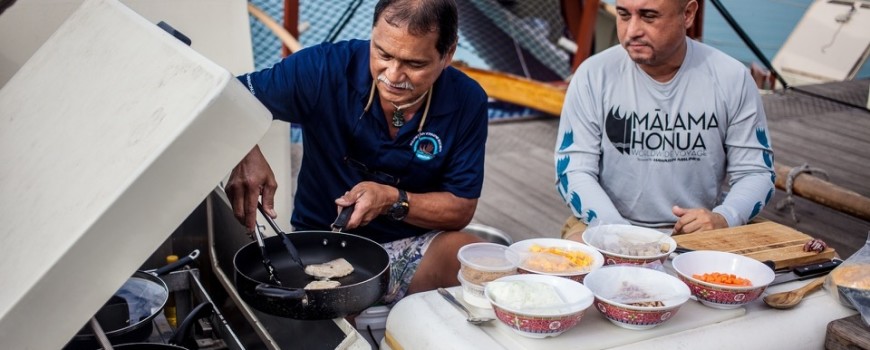
Have you ever wondered how the sailors of Hōkūleʻa cook their food?  In this special episode of Cooking Hawaiian Style, host Lanai Tabura learns how veteran crew member and top chef, Gary Yuen, prepares his meals aboard the waʻa.  Join us on Hikianalia, the sister canoe to Hōkūleʻa, and witness what it takes for the brave men and women of the Worldwide Voyage to simply eat upon the open ocean. 

ARVE error: Mode: lazyload not available (ARVE Pro not active?), switching to normal mode

This episode is in collaboration between OC16 and ʻŌiwi TV, offering our viewers an in-depth look into cooking Hawaiian style and Hawaiian style voyaging.  During the show, Gary shares several stories of his time at sea, during his sail down to Rapa Nui in the 90’s, as well as more recent voyages, like his latest across the treacherous Indian Ocean.  Gary also talks about the cook’s role and how a hot plate can lift the crew’s spirits.

We at ʻŌiwi TV and the Polynesian Voyaging Society would like to send a special mahalo to all the contributors of this excellent and insightful episode, especially Lanai Tabura, Gary Yuen, and of course OC16.  For more episodes of Cooking Hawaiian Style log on to cookinghawaiianstyle.com and for more information on the Mālama Honua Worldwide Voyage, visit Hokulea.com.  Aloha!


Help us make history

As the mainstay of support to PVS, our members are allowing us to voyage beyond the boundaries of Polynesia to inspire a global movement to care for our earth.